Bypassing the TestDaF Exam: Understanding the Alternatives
Browsing the landscape of language proficiency tests can be challenging, especially for trainees intending to study in Germany. The TestDeutsch als Fremdsprache (TestDaF) exam is widely recognized as an essential requirement for non-native German speakers who wish to enlist in German universities. Nevertheless, not everyone feels prepared to take this standardized test, or they may seek options for different reasons. This article intends to check out choices for bypassing the TestDaF exam, including alternative certificates, university exemptions, and preparation techniques.
What is the TestDaF Exam?
Before diving into alternatives, it's necessary to comprehend the TestDaF exam itself. TestDaF is an upper-level German language test that assesses prospects' efficiency at levels B2 to C1 on the Common European Framework of Reference for Languages (CEFR). The exam consists of four areas:
- Reading Comprehension
- Listening Comprehension
- Written Expression
- Oral Expression
Achieving sufficient ratings in these sections is essential for non-native speakers wanting to pursue greater education in Germany.
Table 1: TestDaF Scoring Structure
| Area | Score Range | CEFR Level |
|---|---|---|
| Checking out Comprehension | 3 - 5 | B2 - C1 |
| Listening Comprehension | 3 - 5 | B2 - C1 |
| Composed Expression | 3 - 5 | B2 - C1 |
| Oral Expression | 3 - 5 | B2 - C1 |
Why Bypass TestDaF?
There are various reasons why candidates may look for to bypass the TestDaF exam:
- Lack of self-confidence in language abilities
- Previous educational experiences
- Time constraints
- Alternative language courses that they have actually completed
- Disinterest in standardized testing formats
With these factors in mind, let's take a look at some viable alternatives and methods for avoiding the TestDaF exam.
Alternatives to the TestDaF Exam
1. Language Certificates That Are Accepted by Universities
Numerous German universities accept alternative language certificates as proof of German efficiency. These include:
- DSH (Deutsche Sprachprüfung für den Hochschulzugang): An exam particularly for university gain access to.
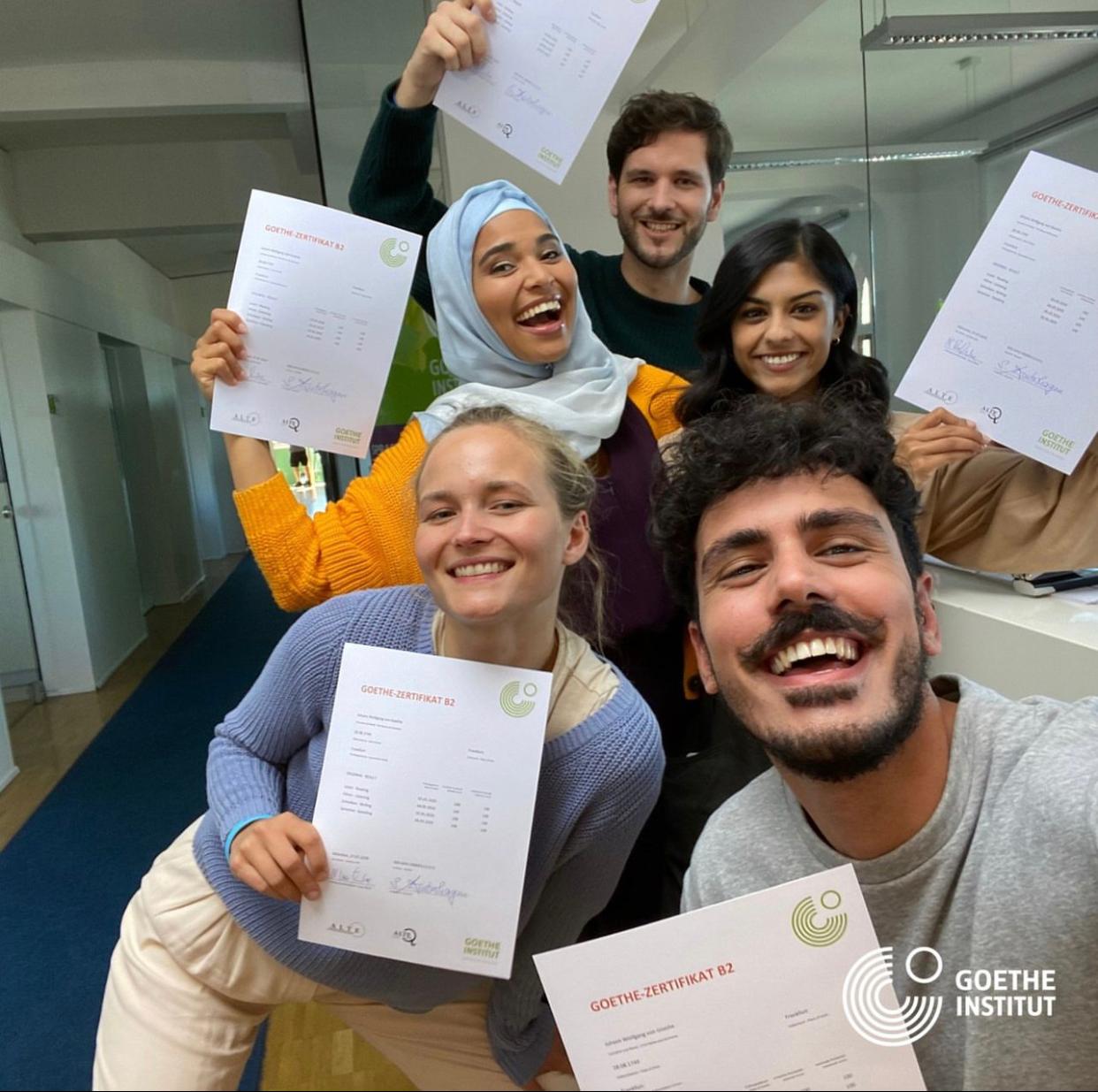
- Goethe-Zertifikate: Tests at different levels; B2 and C1 are widely accepted.
- telc Deutsch: Certificates that reveal proficiency in basic and academic language skills.
Table 2: Alternative Language Certificates
| Certificate | Level Required | Description |
|---|---|---|
| DSH | B2 to C1 | Focused on university entryway. |
| Goethe-Zertifikat | B2/ C1 | Well-recognized and commonly accepted. |
| telc Deutsch | B2/ C1 | Offered in various formats and topics. |
2. University-Specific Language Programs
Some universities offer their own language courses as part of their International Office services, which might permit students to show proficiency through coursework rather than standardized testing. This option is useful for trainees currently enrolled or seeking admission at particular institutions.
- University Language Courses: Some universities offer extensive German courses that conclude with an internal assessment.
- Foundation Year Programs: Certain universities include preparatory programs in the German language concentrated on academic requirements.
3. Exemptions Based on Previous Education
Students with previous educational qualifications in German or those whose education was conducted in German might be qualified for exemptions. This can include:
- Previous Degrees from German Institutions: A bachelor's or master's degree obtained in Germany from an acknowledged organization.
- Languages of Instruction: Documentation proving that German was the primary language of instruction throughout previous research studies.
4. High School Diplomas
For students from German-speaking nations, a high school diploma may be enough, particularly if competent German appears in the instructional background.
Preparation Strategies for Students
If a prospect decides to take the TestDaF in spite of the options offered, here are some reliable preparation methods:
- Language Courses: Enroll in specialized courses focused on TestDaF preparation.
- Practice Tests: Utilize online resources and practice products to acquaint oneself with the exam format.
- Study Groups: Join or develop study hall for peer support and motivation.
- Talking: Improve spoken efficiency by conversing with native speakers.
Table 3: Effective Preparation Strategies
| Technique | Description |
|---|---|
| Language Courses | Structured research study in a class setting. |
| Practice Tests | Mock tests to simulate the real test experience. |
| Social Interactions | Routine conversation with German speakers. |
| Research study Groups | Collective knowing methods with peers. |
Regularly Asked Questions (FAQs)
Q1: Can I use an English language proficiency exam instead of TestDaF?
While some universities might accept English proficiency exams for certain programs taught in English, it is important to check with the specific institution concerning their language requirements for non-native speakers of German.
Q2: What if I have a revoked language certificate?
In some cases, prospects with older language certificates might face obstacles as universities frequently update their policies. It is suggested to consult the university's worldwide office for clearness on accepted certificates.
Q3: Is TestDaF the only exam for university admission in Germany?
No, TestDaF is among several choices, consisting of DSH and alternative certificates as detailed previously. Different universities might have differing language requirements, so it is essential to research study particular programs.
Bypassing the TestDaF exam does not relate to ignoring the requirement for German language proficiency. On the contrary, students have sufficient opportunities to demonstrate their language abilities through alternative certificates, university programs, or specific exemptions. It is essential for potential students to stay informed about their options and to navigate their language finding out journey proactively. In Telc Zertifikat Echtheit Prüfen interconnected world, pursuing language skills is an invaluable financial investment in one's future, particularly for those aiming to study in Germany. By exploring these paths, students can find the very best path to achieve their academic dreams.